
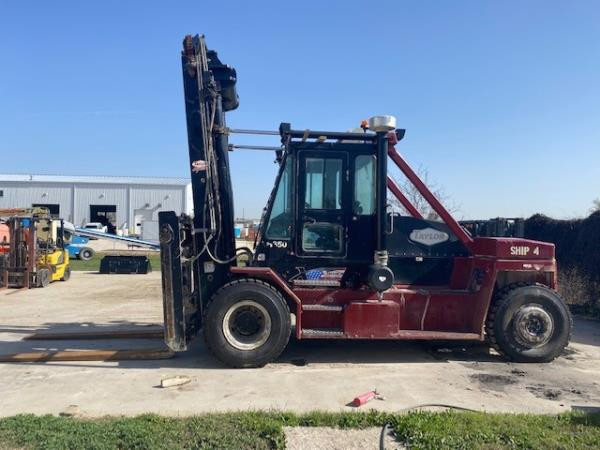



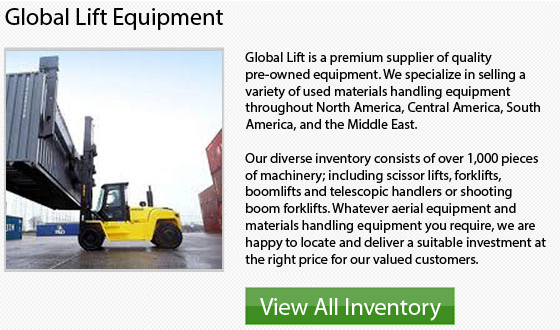
Lift truck operators are normally on the trucks more than 7 out of 8 hours a day in some forklift corporations. Operators will be asked to always load and unload trucks all day long. A lot of of these operators do not have to check with supervisors very often, nor do they have to deal with paperwork. Sometimes they are doing the same task during the shift for the duration and they don't even need to move the forks to adapt to different cargo. These operators normally find the counterbalanced sit-down units of forklifts more efficient and comfortable.
Maneuvering space depending on the location, some facilities have tons of room wherein forklifts and equipment can work in. In these circumstances, a 4-wheel electric or engine-powered forklift remains an important player within the warehousing fleet.
On the other hand, other facilities are packed to capacity. These facilities may have shipping departments and staging areas which offer limited space for forklift maneuverability. In this specific situation, a 3-wheel electric or stand-up end control lift truck model may appear to be a better option.
Depending on your specific application and environment you are working in, you can then determine how to choose the correct truck and pick the right tire. Next is a brief profile to show you the kind of tire choices offered.
Cushion Tire Trucks - These specific trucks are used and engineered for use just on concrete or asphalt surfaces. More commonly, they are specified for indoor application inside distribution centres, warehouses and manufacturing facilities. Usually cushion tire forklifts are smaller compared to similar capacity pneumatic units; therefore, they are usually less expensive. This makes their resale value much lower also.
Pneumatic Tire Trucks - Pneumatic tire trucks can work indoors along with out on improved surfaces. These surfaces comprise hard-packed dirt or stones and blacktop. Rough terrain locations like severely plowed fields or potholed lots are not ideal. The trucks are outfitted with a bigger frame. Normally, pneumatic tire trucks are more expensive than comparative cushion tire models. With regards to resale, generally the pneumatic models provide higher value. This is in part due to the large amount of maneuvering space they provide and their overall surface versatility.